



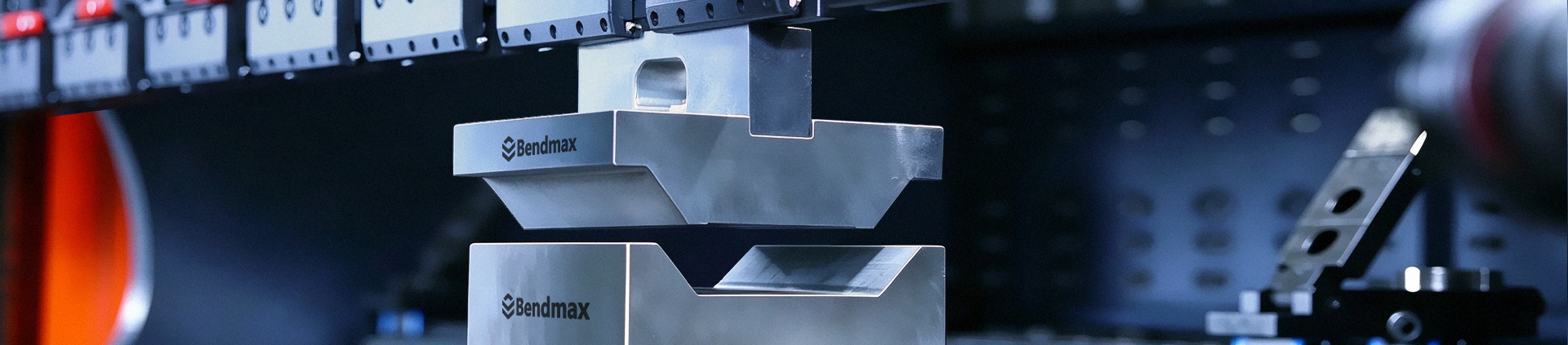
CIIF 2026 Shanghai: What a Press Brake Tooling Manager Looks for at an Industrial Exhibition
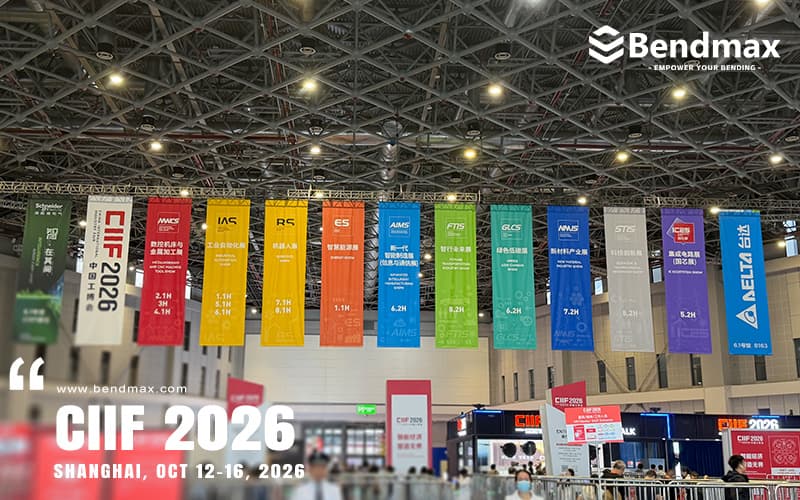
From October 12 to 16, 2026, the 26th China International Industry Fair (CIIF 2026) is taking place at the National Exhibition and Convention Center in Shanghai.
For a press brake tooling manager, visiting an industrial exhibition is not simply about looking at machines. It is an opportunity to examine how equipment is designed, how tooling is integrated into different bending systems, and what manufacturers may need as their production requirements become more demanding.
As I walk through the exhibition halls, I pay attention not only to the machines themselves, but also to the details that determine how well a bending solution works in practice.
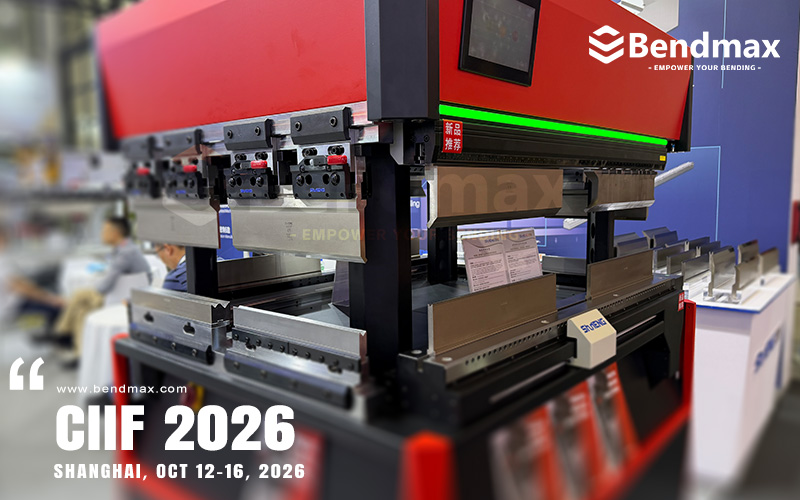
A modern press brake may offer advanced controls, high positioning accuracy and a wide range of production capabilities. Yet a machine's specifications tell only part of the story.
In actual sheet metal bending, the result also depends on the punch and die, the material being processed, the selected bending method and the way the tooling is installed.
A suitable machine and an unsuitable tool combination can still lead to unnecessary setup adjustments, dimensional inconsistencies or problems with workpiece clearance.
This is why I believe tooling should be considered during the planning stage of a bending process, rather than treated as a separate purchase made after the machine has been selected.
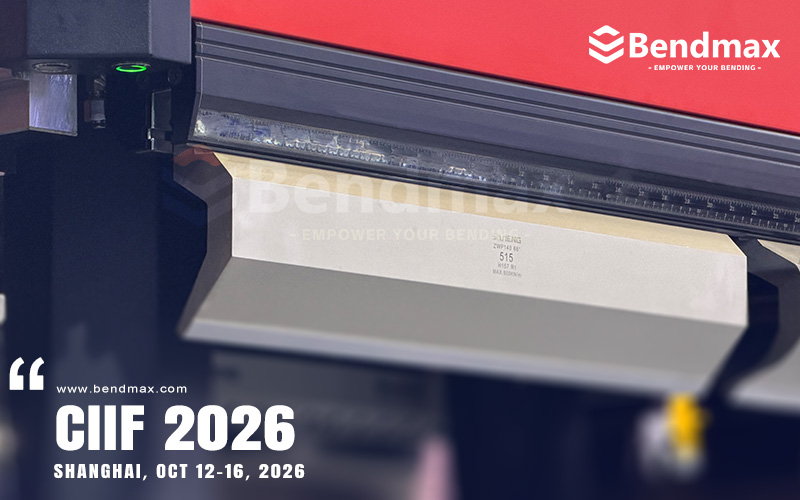
Different press brake systems may use different clamping interfaces, tool heights and installation arrangements. Even when two tools look similar, their dimensions and mounting details may determine whether they can be used in a particular machine.
For buyers managing several press brakes, compatibility is especially important. Incorrect assumptions can result in tools that do not fit the intended holder or that fail to provide the required working height and clearance.
Before selecting replacement or additional tooling, I recommend confirming the machine model, clamping system, tool dimensions and actual application.
At BENDMAX, this is also why we place importance on understanding the customer's existing equipment and production requirements before recommending a tooling solution.
 |
 |
 |
||
 |
 |
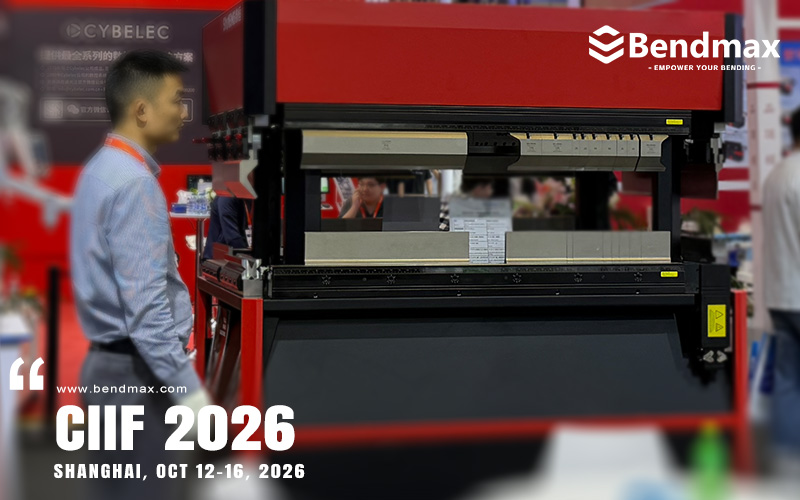 |
Tool selection begins with the workpiece, not simply with the tool catalog.
A standard punch is suitable for many everyday bending operations. A gooseneck punch may be needed when a return flange or deep profile requires additional clearance. Acute punches, hemming tools and special forming tools address different geometries and process requirements.
The lower die is equally important. Its V-opening, shoulder geometry and supporting surfaces affect material deformation, bending force requirements and the achievable result.
For applications involving visible surfaces, the tooling design and contact conditions also deserve attention. Where surface marking is a concern, specialized non-marking tooling may be worth considering.
The practical objective is to select a tool combination that meets the part drawing, material requirements and production conditions without introducing unnecessary complexity.
Bending accuracy is not determined by tooling hardness or dimensional tolerance alone.
Tool geometry, straightness, mounting condition, machine compensation, material thickness variation and the selected bending parameters can all influence the final angle and dimensions.
This is why tooling quality control matters. Dimensional inspection, profile verification and hardness testing help establish whether tools meet their specified requirements. Appropriate heat treatment and precision grinding also contribute to service life and consistent performance.
However, even well-manufactured tooling must be matched to the application and installed correctly.
From a tooling manager's perspective, reliable bending comes from controlling the complete setup, not relying on a single specification.
Standard tooling covers a wide range of applications, but not every workpiece can be formed efficiently with standard profiles.
Deep channels, unusual return flanges, complex cross-sections and parts with limited clearance may require a special punch, die or complete tooling arrangement.
When evaluating a custom tooling request, I would first look at the part drawing, material type and thickness, required bend angles, flange dimensions and potential interference during forming.
The machine model and clamping system must also be confirmed before the design is finalized.
A useful custom solution is not simply a tool with an unusual shape. It is a tool designed around the actual forming process, with suitable geometry, clearance, strength and installation compatibility.
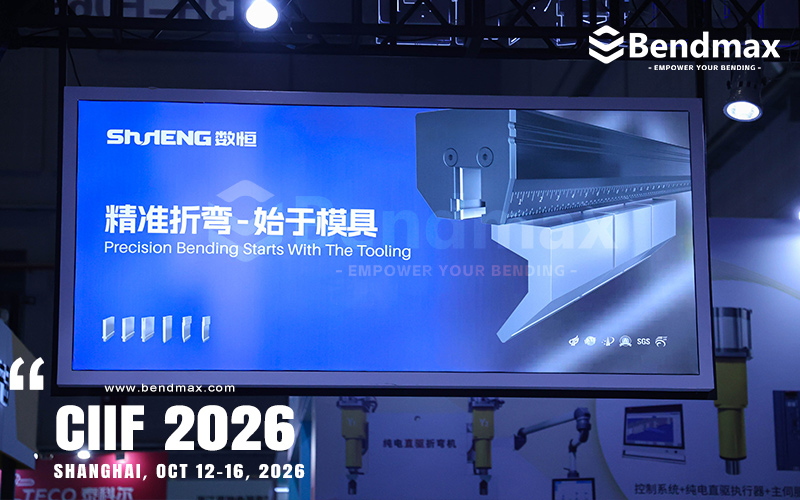
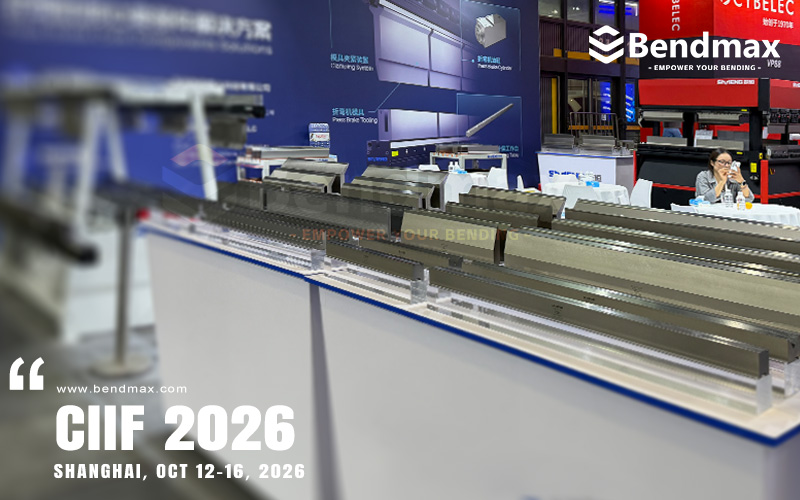
Press Brake Clamping System
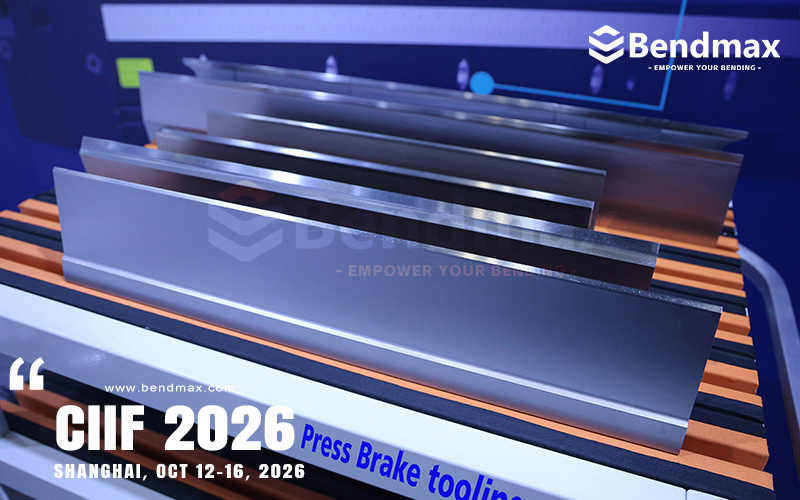
Press Brake Tooling Storage Cabinet
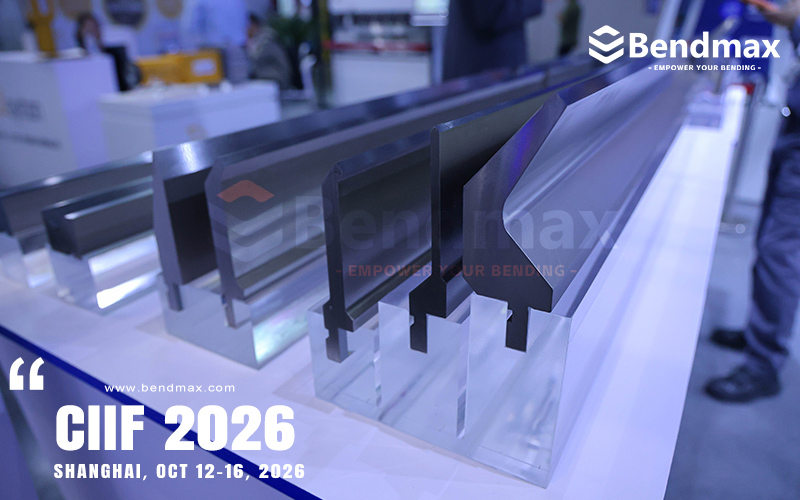
Press Brake Tooling
The variety of equipment and applications on display at CIIF 2026 reinforces an important point: as manufacturing requirements diversify, tooling suppliers need to understand more than individual tool profiles.
Customers may need help confirming compatibility, choosing between standard and special tooling, reducing setup time or finding a practical solution for a difficult part.
For distributors and machine manufacturers, consistent specifications and dependable supply are also important considerations. For end users, the priority is often straightforward: the tooling must fit the machine, form the part correctly and perform reliably in daily production.
These needs are closely connected, but each customer may approach them from a different perspective.
An industrial exhibition provides a useful opportunity to compare equipment designs and observe the direction of the manufacturing sector. The real value, however, comes from applying those observations to practical bending challenges.
At BENDMAX, our approach is to begin with the customer's machine, workpiece and production requirements, then identify the tooling configuration that best fits the application.
Whether the requirement involves standard press brake punches and dies, system-compatible tooling or a custom forming solution, the goal remains the same: reliable fit, suitable geometry and consistent bending performance.
As sheet metal fabrication continues to evolve, understanding the relationship between the machine, the tooling and the workpiece will remain essential to achieving better bending results.
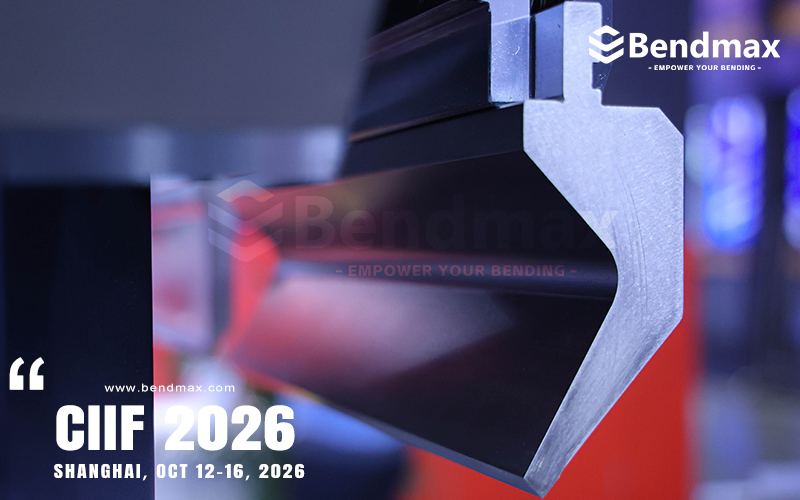
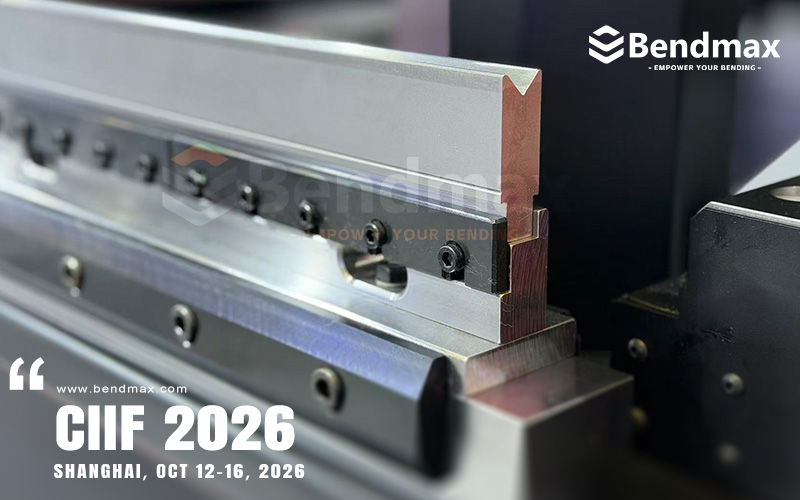
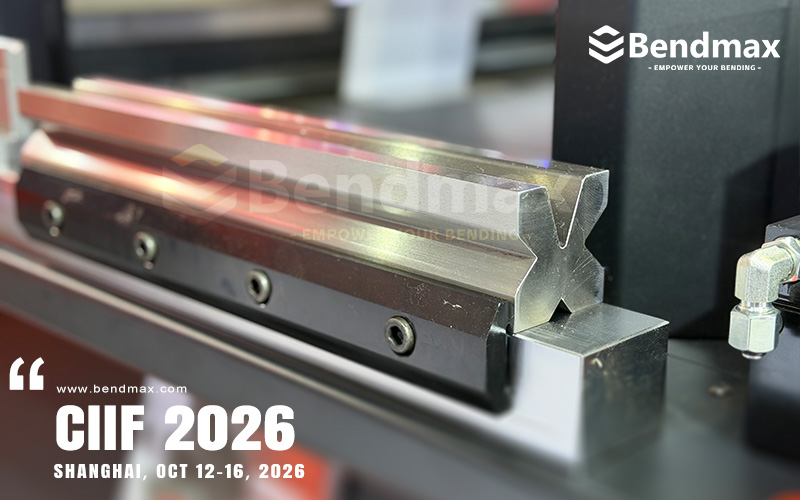
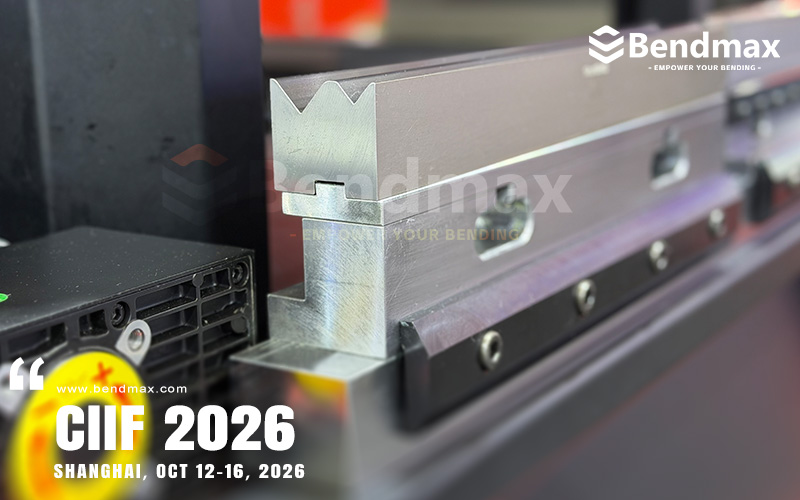
PRESS BRAKE GOOSENECK PUNCH
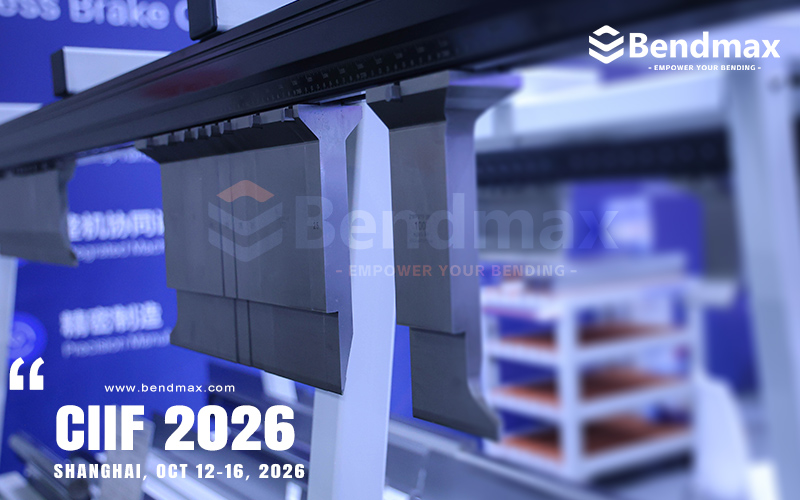
PRESS BRAKE FLATTEN PUNCH
PRESS BRAKE GOOSENECK PUNCH
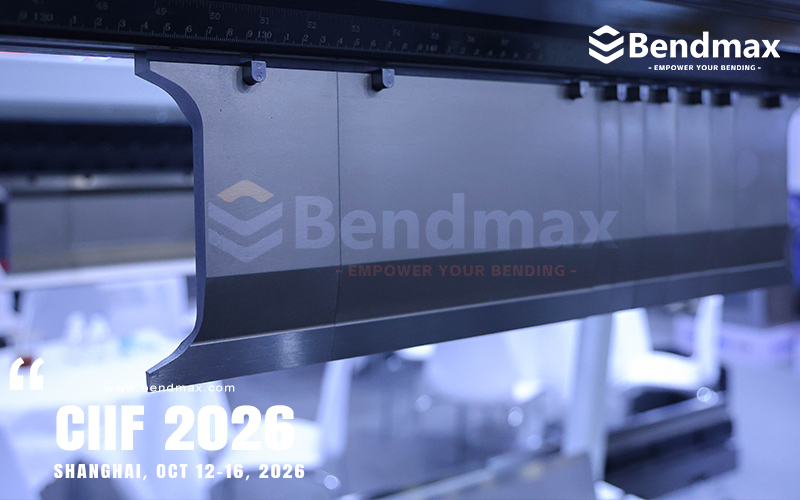
PRESS BRAKE ACUTE PUNCH
 Phone: (0086)-15002165198
 Email: jason@bendmax.com
 Wechat: سياسة الخصوصية

 IPv6 network supported
leave a message
Scan to wechat :

Scan to whatsapp :

 بالعربية


